 Builders Merchants Journal – BMJ Publishing to Builders Merchants and the UK merchanting industry for more than 95 years
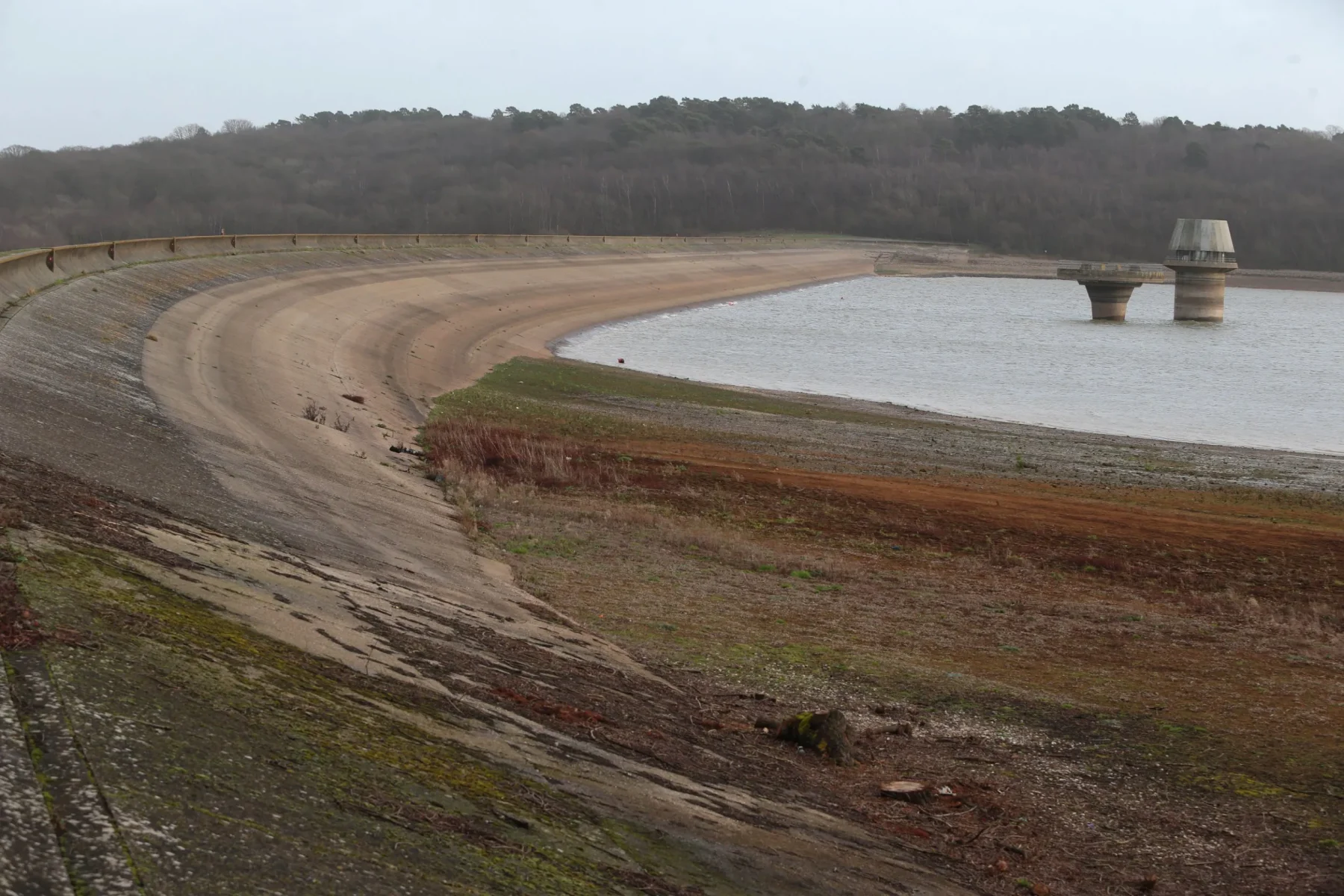
A time of drought had sucked the weedy pool
And baked the channels; birds had done with song
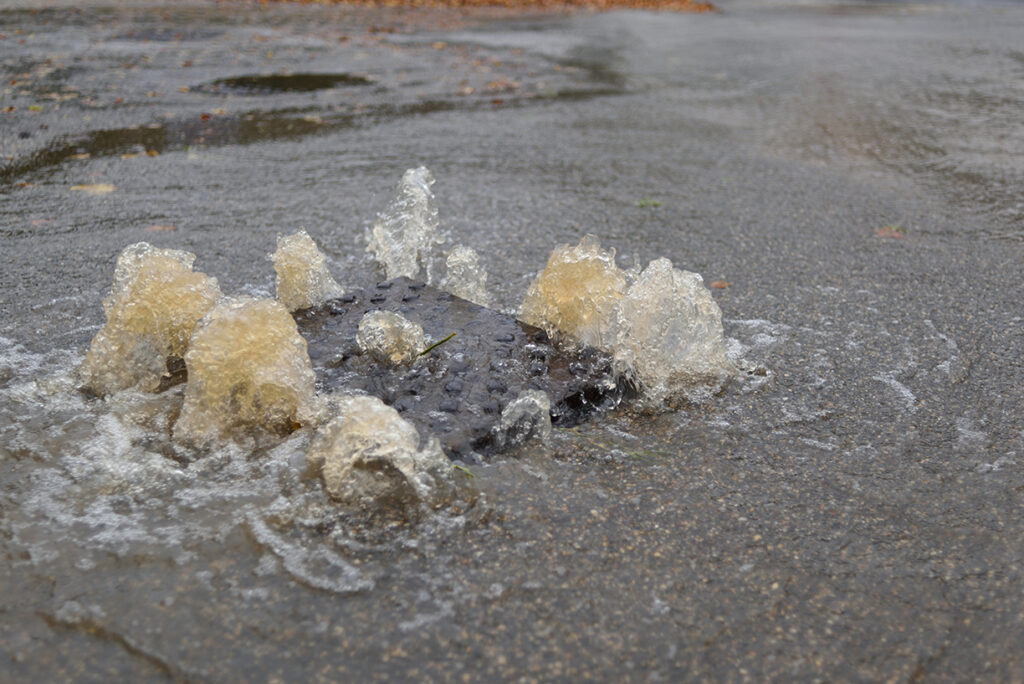
Guess what folks? South East Water is in the news again, having told many of the good citizens of Kent that it can’t guarantee they won’t run short of water again this Summer. During the early heatwave of the last couple of weeks, parts of east Kent were without water to drink, or to wash in. This is but five months after the last set of problems which lasted weeks and cost the privatised utility company, not only its chairman and CEO, but also tens of thousands of pounds in compensation. A chunk of my Summer holiday is now courtesy of that compo, but it’s counterproductive. The problems that beset South East Water – and every other privatised water company, which is to say, all of them – is chronic underinvestment over the decades. How is bunging £600 to thousands of households going to solve that?
Stop me if you have heard this one before. Privatisation of public utilities did not and does not work. At least, we seem not to be able to make it work in this country. Lest I sound like some rabid, mouth-foaming communist, maybe there are countries where it could work, where it does work. Just not here, the way the UK economy is structured. Although, maybe I mean the Western economy, seeing how many publicly-owned utility company shares are in the hands of foreign pension companies, hedge funds and venture capitalists.
The water companies were sold off, at a bargain, no-debt, price because the government of the day didn’t want the public purse to have to fund getting the industry up to required standards, and building new reservoirs. Guess what? Neither did the private companies who bought them. And they haven’t.
Three weeks ago, I sat in my car for 20 minutes waiting for the monsoon to finish so I could get to where I was going without drowning or being bludgeoned by hailstones the size of golf balls. In Hinckley, near Nuneaton, last week, they had 30mm of rain in 20 minutes. Climate change is happening, people. It’s here, it’s staying, and we did it. All of us. Our parents, our grandparents, us, our children – all guilty of taking the planet for granted. Every time I get a lift back from the station because I can’t face the hill on the way home, every quick car trip to the Co-Op to pick up what I forgot to add to the big shop, every long, hot shower after ‘one of those days’.
So, no matter what Reform councils say about binning net zero policies, because they are a waste of money that could be spent on potholes (like that’s going to happen), the problem is real.
But, maybe somewhere in their rhetoric there is a point. Yes, that thought surprised me too. Maybe we should stop thinking about ‘net zero’ in isolation and start to implement policies that could make a real difference now.
The stereotypical image of foggy, rainy Britain may be true at times. We do get rain, lots of it. But it’s all too often in the wrong place, at the wrong time. And when we do get it, we just let it run away.
Here’s an idea: grants to help people to retrofit items that will help them reduce their water consumption. A government grant, similar maybe to those offered for solar panels or heat pumps, to retrofit rainwater harvesting systems. You used to be able to get garden water butts free from the council, so the principle isn’t unknown. We need some kind of system where it’s easy to retrofit a system so that rainwater is used to flush the loo, supply the washing machine, or wash the car. It seems madness that we flush our loos with what is, essentially, perfectly potable water. Or, where rainwater harvesting simply isn’t practical or economic, then a scheme that allows people to retrofit water-saving items within the home, like they did with TRVs back in the 1990s.
The Government is already working on this with the updated Part G requirements of the Building Regulations to mandate significantly tighter water efficiency in new homes alongside the Future Homes Standard rollout. There won’t be a one-size-fits-all solution, of course there won’t. But there isn’t one for heat pumps either.
In a scarily low number of years we could see regular instances where water shortages aren’t due to pumping station faults, but because we don’t have enough water in the reservoirs to fulfil our needs. That’s not scary. It’s terrifying.