 Builders Merchants Journal – BMJ Publishing to Builders Merchants and the UK merchanting industry for more than 95 years
And the government of the people, by the people and for the people, shall not perish from this earth
There’s an old saying that if voting changed anything, they’d abolish it. As an aside, I think Ken Livingstone used it as the title of his autobiography. Reading the news these days, you’d be forgiven for thinking that there’s something faintly old-fashioned about the idea of the traditional constituency MP. The actual MP who holds a surgery in their town, fielding complaints and problems from everyone from the old lady with neighbour complaints to the pub owner struggling with the 93rd set of roadworks outside their car park in four months.
No taxation without representation
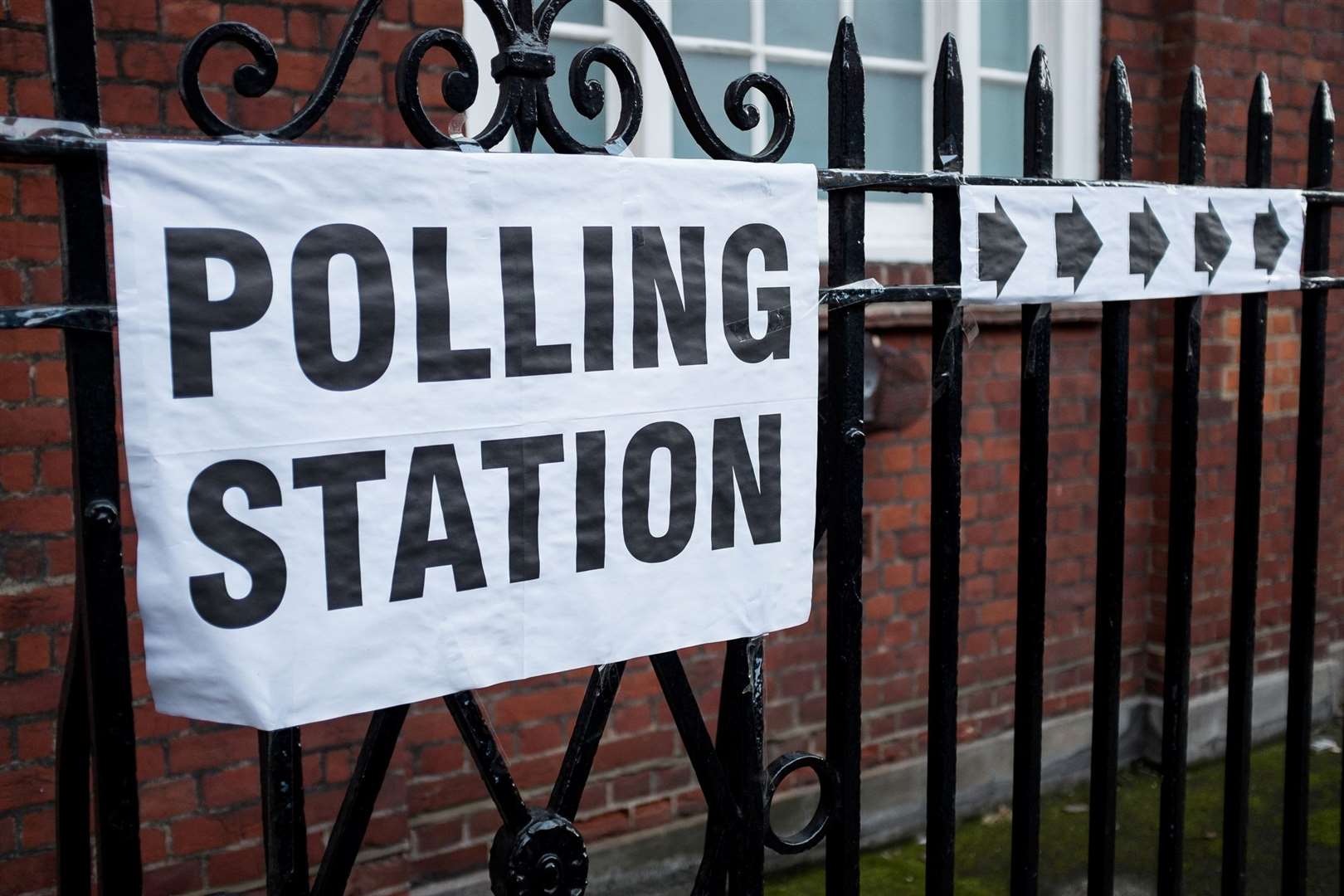
Why do we vote? Do we vote for who’s going to run the country? Or do we vote for the person who’s going to sort out problems in our local neighbourhood? Over the last few weeks, Westminster is being talked about as though elections are simply auditions for Prime Ministerial greatness, but that is only part of the story. We vote for governments, yes. But we also vote for representation. No taxation without representation – a sentiment that birthed an entirely new nation.
We vote for the person who is supposed to answer the emails, chase the agencies, harangue the utility companies and occasionally stand in a freezing car park handing out bottled water to furious residents.
Forgive the slide into parochialism here. When my town was left without water this Winter — not once, but twice, and for weeks — my local MP, Mike Martin, an ex-soldier and a Liberal Democrat, was relentless. He was on to South East Water constantly. He was visible. He was practical. He was there handing out supplies and keeping constituents updated.
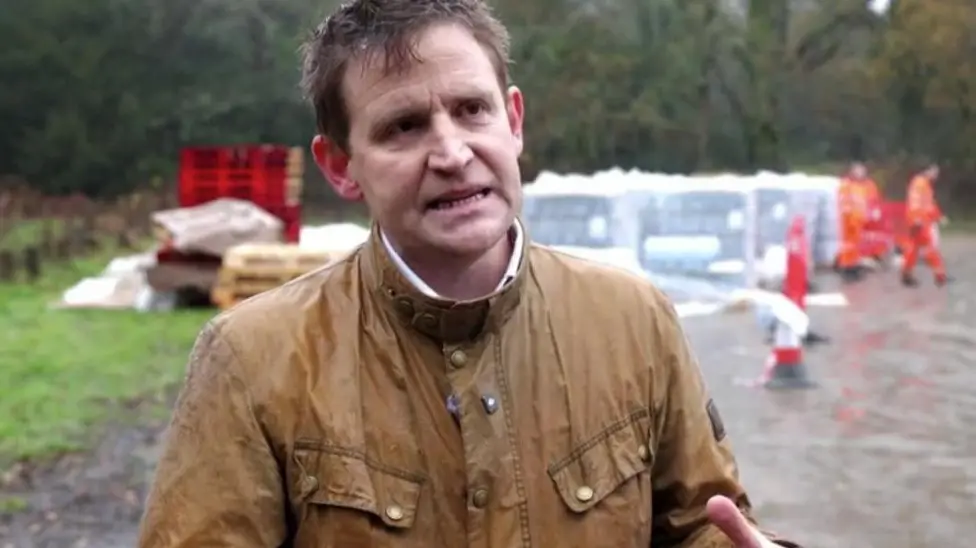
He even put the Lib Dem leader, Ed Davey, to work, lugging packs of bottled water around the sports centre car park. In fairness, I suspect our former Conservative MP, Greg Clark, would have done likewise. Whatever one thought of his politics, he did understand constituency work. Some MPs do. They see the role as fundamentally about service.
Ladies and gentlemen, may I present the Andy Burnham and his possible return to Westminster issue. Perfectly understandable from a Labour strategist’s point of view. Burnham is recognisable, has been a successful Mayor of Manchester and seems pretty comfortable in his political skin.
However, I do wonder how I would feel, were I a Labour voter in Makerfield, who voted for Josh Simons to be my MP, only to have Burnham parachuted in just so that he can win the by-election, head back to Westminster and take on Sir Kier Starmer. I may be wrong. It could very well be that the good citizens of Makerfield see the bigger picture, that they believe Burnham might be the Labour Party’s best hope and are prepared to back him to the hilt. But there is still something slightly dispiriting about constituencies being treated as stepping stones in larger career calculations. See also: politicians crossing the House in order to further their careers. Robert Jenrick, I’m looking at you. In any case, Makerfield isn’t a done deal, and Reform is going to throw everything in its power at this by-election.
In the end, a constituency is not merely a stepping-stone in a political career. It is where people live and die. It is where elderly residents sit without running water for a week. It is where parents try to navigate potholes the size of Poland on the school run. It is where MPs are either present or absent.
A Prime Minister, by definition, cannot really be a full-time constituency MP. If your MP also happens to run the country, you may well see them arrive for a carefully managed visit, nod sympathetically and promise action before disappearing back to Downing Street. What you probably won’t see is that person spending six straight days badgering utility companies, replying to constituent emails at midnight and arranging emergency water deliveries. That’s just how it is.
This is perhaps the contradiction Labour now faces under Sir Keir Starmer. The party has become disciplined, cautious and ruthlessly message-focused. These, of course, are qualities that help win elections.
Yet all parties need to remember that politics, at its best, is not really about BBC headlines or Westminster psychodramas or endless leadership speculation. Politics is about the people, by the people, for the people.