 Builders Merchants Journal – BMJ Publishing to Builders Merchants and the UK merchanting industry for more than 95 years
We must be willing to let go of the life we have planned, so as to have the life that is waiting for us
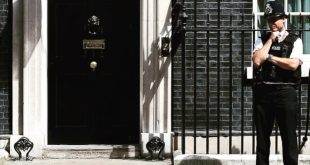
Stop me if you have heard this before. We have a Prime Minister who, two years in to his Parliamentary term, is more unpopular than his original General Election mandate indicated. We have a Prime Minister whose Chancellor of the Exchequer has inflicted some deeply unpopular financial burdens on the electorate and, more particularly, business. We have a Prime Minister who rode into Downing Street on a wave of enthusiastic, got-to-be-better-than-the-last-lot hubris, yet who has failed to live up to that promise. We have a Prime Minister who has presided over so many U-turns that he resembles a whirling dervish. And we have a Prime Minister whose party has done extremely badly in the local council elections.
Whether Sir Keir Starmer can “survive” as Prime Minister depends on a mix of political, economic, and party dynamics. However, other PMs before him have been through similar. Some have survived to fight another day, others have not.
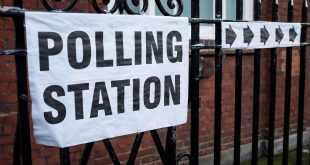
Starmer’s biggest advantage is the 174-seat majority that he presided over in July two years ago. His biggest threat seems to come from within, from his own side trying to decide if they have faith in his ability. Or sufficient faith in someone else’s ability to do a better job. Public approval matters because bad local election results weaken authority, and MPs with a weather eye on the next general election worry about losing their seats. Last week’s local council elections saw Labour lose a tonne of seats, many of them to the Greens, even more to Reform, and Starmer’s standing in many eyes was already shaky due to a perceived lack of judgement about Lord Mandelson’s suitability as US Ambassador.
The economy is also a big threat to him. It was Liz Truss’ commitment to Kwasi Kwarteng’s disastrous mini-Budget in 2022 which triggered market chaos, crashed the pound and sent mortgage rates soaring, which cost her the confidence of MPs and the markets at the same time. Economic growth may have been the end goal of Rachel Reeves’ last two Budgets, but if you take too much money away from the people and businesses that you require to fund that growth, it’s not happening. And she is Chancellor on Starmer’s watch.
Boris Johnson was ousted as PM when he lost both public and Parliamentary trust, largely down to believing his own publicity, while Teresa May’s downfall was her inability to get any kind of Brexit deal through Parliament. Oh, and the bonkers decision to hold a general election, which saw her squander most of David Cameron’s massive Tory majority from 2015.
If we go back even further, Sir John Major is one of the best examples of a Prime Minister who was seen as weak, unpopular, and under constant pressure, with a shrinking majority, and constant rebellions (especially over Europe), yet he still survived for years partly because his rivals were divided.
Major stayed PM until 1997, despite everything, because there was no obvious successor everyone agreed on, and his MPs chose perceived weakness over chaos. Major survived his unpopularity after Black Wednesday, and with far worse numbers, both in Parliament and in the local elections. Major’s party was divided but accepted it was stuck with him. The Labour Party may still believe they can replace Starmer and recover. That belief, if strong enough, will be what topples him.
There are some key differences now however. When John Major was fighting for his political life, and surviving, his only real opposition was New Labour; the Lib Dems despite the charismatic leader, Paddy Ashdown, simply didn’t have the critical mass to be an effective opposition. Today’s political landscape looks rather different thanks to the visibility of Reform and the Greens, and the resilience of the Lib Dems.
Since I started writing this (on Tuesday morning), Jess Phillips has resigned in apparent frustration at a lack of action on the manifesto pledge about combating violence against women and girls. The names of the Health Secretary Wes Streeting, former Deputy PM Angela Rayner and Mayor of Greater Manchester Andy Burnham have been bandied about as possible replacements as party leader, but neither of the first two have said anything publicly about mounting a bid, and Burnham would have to be catapulted into an easy seat at the next by-election to even begin the process. Starmer might want to keep an eye on Al Carns, the defence minister, but, quite frankly, if a leadership battle gets going, there’s any number of MPs who could be up for a tilt at that particular windmill.
Short-term, Starmer is probably sticking around. Medium term, depends on how many MPs abandon ship. Long term, he’s toast.