 Builders Merchants Journal – BMJ Publishing to Builders Merchants and the UK merchanting industry for more than 95 years
Building materials distributor SIG posted a pre-tax loss of £21.6m in the six months to June 30 2026, a better result than the same time last year’s £33.1m losses. Turnover this time dipped to £1.29bn from £1.3bn.
The company is pushing ahead with its efficiency drive to save £100m by the end of next year as underperforming businesses will be closed or sold-off.
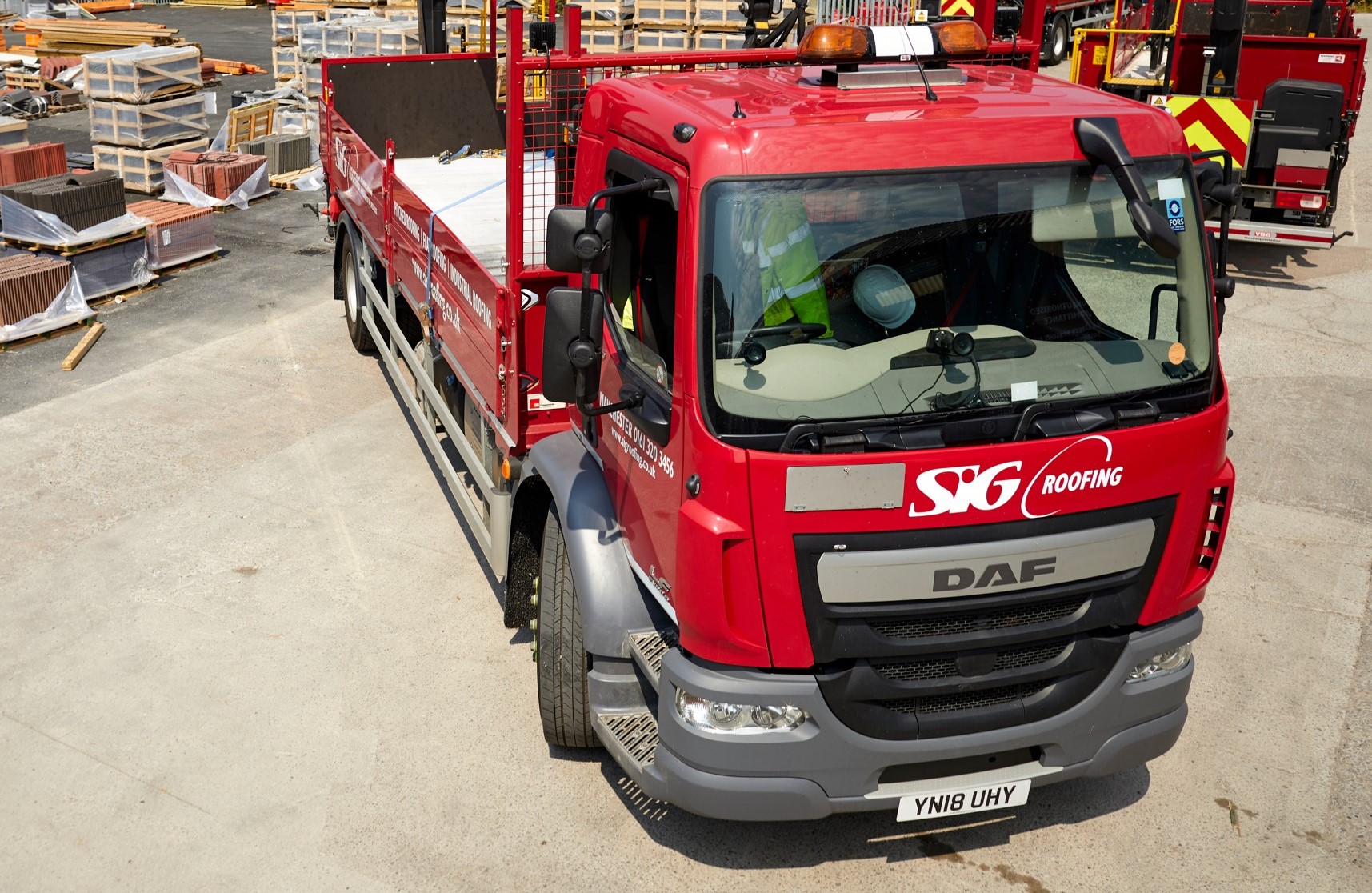
Like-for-like sales fell 1.5%, reflecting continued weakness in construction activity across most of its European markets and disruption caused by poor weather during the first quarter.
Underlying operating profit came in at £10.5 million, representing an operating margin of 0.8%. The company said ongoing cost-saving and productivity initiatives helped offset weaker demand, operating cost inflation and pricing pressure.
SIG reported a free cash outflow of £16 million, compared with an outflow of £9 million in the first half of 2025, reflecting normal seasonal working capital movements and a deliberate increase in inventory ahead of expected supplier price rises. Liquidity stood at £154 million at the end of June, including £64 million of cash and access to an undrawn £90 million revolving credit facility. Net debt increased modestly to £532 million, including lease liabilities.
Despite the subdued market backdrop, the company is sticking to its July guidance that full-year 2026 underlying operating profit is expected to be around £25 million. Management warned that construction markets are unlikely to recover during the remainder of this year and may remain weak throughout 2027.
Chief executive Pim Vervaat said the group had delivered a resilient performance despite difficult market conditions and was accelerating its self-help programme to improve long-term returns. The enhanced plan targets a £50 million run-rate improvement in operating profit by mid-2028, at least £100 million of cash generation by the end of 2027, leverage below three times net debt to EBITDA and operating margins of between 3% and 5% through the cycle.
Vervaat said the business expects to improve its net debt position during the second half while maintaining a healthy level of liquidity. “The Vision 2030 strategy is making good overall progress towards building a higher quality European specialist distribution platform aiming to generate 3% to 5% operating margin through the cycle whilst generating cash.”