 Builders Merchants Journal – BMJ Publishing to Builders Merchants and the UK merchanting industry for more than 95 years
Mid pleasures and palaces though we may roam
Be it ever so ‘umble, there’s no place like home
One of the most cynical political moves of my lifetime was the 1986 Council elections in London. Westminster City Council was found to have pushed through sales of council housing in certain key wards in order to curry favour with – and ensure the votes of – residents. The idea was that owner-occupiers would be more likely to vote Conservative and it was the very essence of gerrymandering. Especially as the flip side of it was the removal of unlikely Tory voters out of the borough. Eventually it cost Dame Shirley Porter her job, and her reputation.
Westminster’s actions were enabled by the 1980 Housing Act which saw council tenants afforded the right to purchase the homes they had been living from the council at a significant discount, one of Margaret Thatcher’s first actions after she became Prime Minister. We talk a lot about the Tory sell-off of council houses, and the lack of affordable social housing that it led to, but forget sometimes, that it had been in the Labour Party manifesto since the 1950s, and, indeed, had been happening regularly throughout the 1960s and 70s.
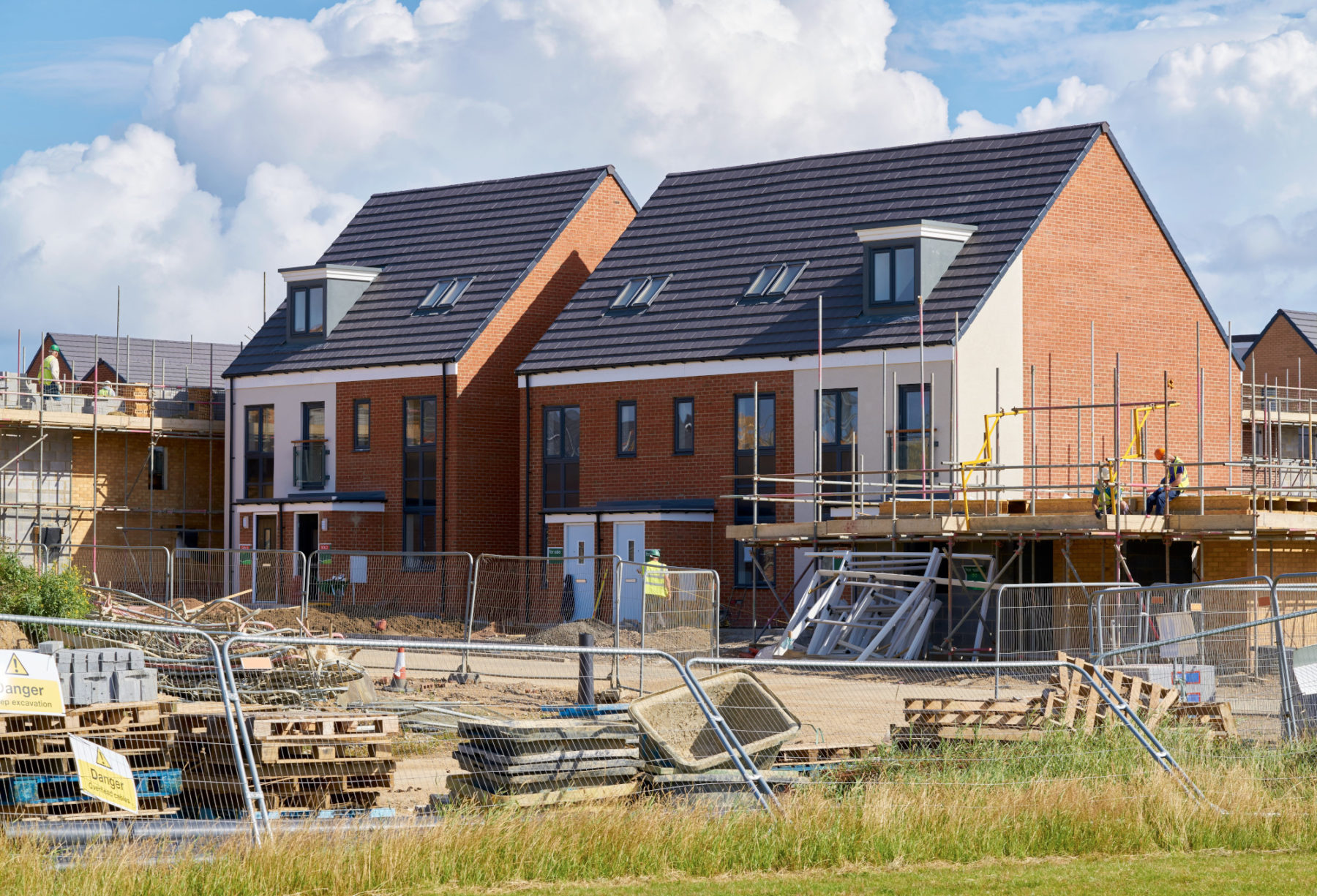
Here endeth the political history lesson. Yesterday, the Government announced that more than 70,000 social and affordable homes will be built in England over the next 10 years as part of a push to try to alleviate the housing crisis. It’s the start of an ambitious plan to build 300,000 social and affordable homes, under the government’s £39bn social housebuilding programme.
Hurrah. This is, clearly, A Good Thing. It won’t be enough to solve the issue completely, but it will be a start. As long as you’re in the chosen areas though. Funding is available in Greater Manchester, the West Midlands, West Yorkshire, South Yorkshire, North East England, and Liverpool, though there has already been £6bn announced for London.
At the risk of sounding whiney, might I gently suggest that there are other areas where the need is just as, if not greater. The south east, for example, is generally very affluent, with house prices to match. There are pockets of poverty here just as there are in northern conurbations, and, trust me, salaries are not sufficiently weighted to make up the difference.
Still, as I said, it is a start, and, to quote our newly-minted Prime Minister “Councils built this country out of a housing crisis once before. Backed properly, and trusted to get on with it, they will do it again”. And why not throw the Housing Secretary Angela Rayner in there too: “I know how important fixing this is – because I’ve been there. A safe and secure home was the foundation for a better life.”
Something needs to happen certainly. The CPA forecasts, the ONS figures on brick deliveries and stocks, the housing transaction numbers, none of them make for comfortable reading. The construction industry is what will deliver on Burnham and Rayner’s ambitions. And what that industry needs more than ever is certainty. Confidence across the sector, and into the general populace is at an epically low point. That lack of confidence is weakening demand and putting huge pressure on businesses across the sector. I looked at the amount of money that Devonshire Homes owed merchants when it went into administration. Ouch.
The industry needs houses to be built so it can function, people need houses to be built so they can live in them. Only something in the region of one third of the council housing sold off under Right to Buy has been replaced in the last 20 years. If that can be changed then hurrah. It does of course all need to be paid for, but that’s a conversation for another day.