 Builders Merchants Journal – BMJ Publishing to Builders Merchants and the UK merchanting industry for more than 95 years
A cynic is a man who knows the price of everything, and the value of nothing
The first time I ever went to Edinburgh it was something of a ghost town. Bear with me, this is relevant. It wasn’t because of the spooks and spectres that haunt the Castle and the alleyways off the Royal Mile, but because traffic had more or less disappeared.
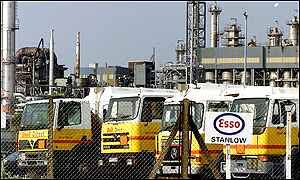
It was September 2000 and petrol stations and oil refineries across the country were being blockaded by protesting lorry drivers, aghast at the disastrous effect that fuel prices were having on their livelihoods.
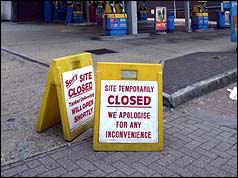
The drive from the airport was bizarrely quick, with almost no-one around apart from a few taxis who had special dispensation to be out and about, and a few buses running their airport route. Motorways had been blocked by deliberately slow-moving convoys of lorries, train companies reduced services to preserve fuel supplies, and petrol; stations closed to all but the emergency services. The NHS went on red alert with some services cancelled because people couldn’t get to work, while the Government worked out that only 5% of normal fuel deliveries were being met. There were dire warnings from supermarkets about food shortages, and some schools even closed, much to the delight of pupils.
The cause of this chaos? The worldwide price of oil had gone up from $10 to $30 a barrel, the highest level in 10 years. The UK’s motorists were now paying an average of 80 pence a litre for unleaded and 83p for diesel. And they were not happy about it.
This morning, however, the price of a litre of diesel at my local petrol station was £2. According to the RAC the average price of a litre of diesel at the pump is at an all-time high of 200.01p. The fallout from the war that Trump and Netanyahu have decided to wage with Iran continues to drive up the cost of, well, everything. It’s disrupted the production and transportation of oil across the region, causing the price of fuel and anything made of oil to surge.
It’s an obvious fact that the rising cost of fuel will affect the cost of everything else. Transport is a merchant’s highest cost base after employees, if it costs Bob’s Builders Merchants more to get the goods where they need to be then those goods will have to cost more to customers. Or Bob’s Builders Merchants swallows the cost and makes less money. Which, of course, has longer term implications for the future of the business and the employees.
And yet, there isn’t the same amount of protesting that we had in 2000. Is it that earnings have kept ahead of rises in fuel costs? Is it because we’ve seen all this before and we are just getting used to it? Unleaded petrol has hit an average 174.71p a litre, which may be the highest in more than four years but lower than its peak of 191.5p during the summer of 2022 a few months after Russia’s invasion of Ukraine.
The roads, judging from my drive to and from the office, don’t seem to be any less busy than they were. Is it that, after Covid, (when prices seemed to plummet), after Ukraine (when they did the opposite) after all the peaks and troughs, we’re just at the stage where we can’t be bothered to worry any more? Are we just getting used too having to Keep Calm and Carry On? Are we now so inured to it all that, while we might moan and complain about the cost of fuel, and fully intend to leave the car at home unless we really need to drive, we will still hop in the car to just nip to Sainsburys if it looks a bit rainy or we’re tired?
I can’t help thinking that with all this there is someone somewhere who is making out like a bandit from the fluctuating cost of fuel. It’s certainly not anyone I know.