 Builders Merchants Journal – BMJ Publishing to Builders Merchants and the UK merchanting industry for more than 95 years
The Government unveiled the long-awaited Warm Homes Plan today (January 21), pledging £15bn over five years to help households cut energy bills, boost renewable heating and expand renters’ rights.
First announced in 2024, the plan aims to lift one million people out of fuel poverty and spark a “rooftop revolution” by tripling the number of homes heated via solar panels and heat pumps. It focuses on funding heat pumps, solar panels and batteries through grants and low-interest loans. The Boiler Upgrade Scheme has been extended to 2029/30 with £7,500 grants for heat pumps, £600m more for low-income households to cover the full cost of solar panels and batteries, and low or zero-interest loans for households regardless of income.
Prime Minister Sir Keir Starmer said: “A warm home shouldn’t be a privilege, it should be a basic guarantee for every family in Britain.”
However, the push towards new technology means that the previous focus on improving insulation in homes has shifted. Originally, the plan was to ramp up installation of insulation in homes, a really cost-effective way to reduce heat loss from the UK’s leaky housing stock. However, a report in October by the National Audit Office (NAO) found that 98% of homes that had external wall insulation installed under the Energy Company Obligation (ECO) and Great British Insulation schemes set up by the previous government have problems that will lead to damp and mould if left unaddressed.
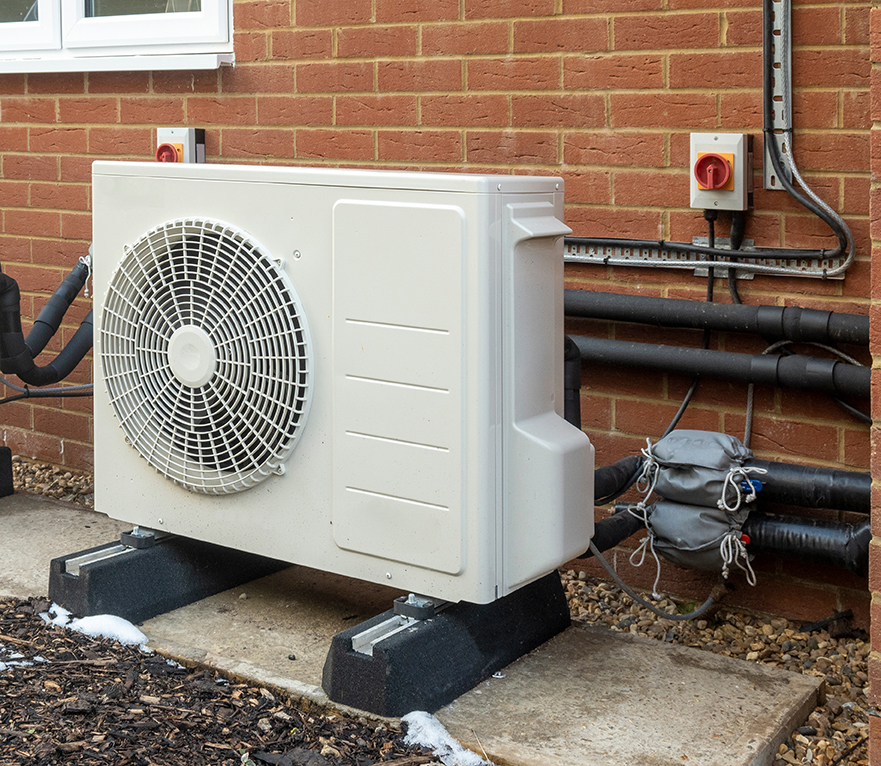
By switching households away from oil heaters and gas boilers to electrical heat pumps, powered by renewable energy, the government hopes it will cut the country’s planet warming emissions, of which around 18% come from home heating.
The government says the plan could support 180,000 jobs in clean heating, including retraining engineers. However, insulation has been downgraded as a priority after problems with a previous scheme, with ministers instead focusing on newer green technologies.
The plan also includes reforms for renters. From 2030, landlords must ensure rental properties reach a minimum EPC C energy efficiency rating, up from E, with changes to how homes are assessed promised later this year.
Energy Secretary Ed Miliband said expanding solar and clean heating was the most cost-effective long-term way to cut bills and reduce emissions from home heating, which account for about 18% of the UK total.