 Builders Merchants Journal – BMJ Publishing to Builders Merchants and the UK merchanting industry for more than 95 years
Building materials producer Siniat is to formally take design responsibility for the system information and standard details it issues, marking a significant shift in accountability for construction risk and specification.
Research by Siniat found that 65% of contractors say that the cascading of risk and liability is placing them under financial strain, with some firms having to lay off staff, and 64% say that these issues have even pushed some firms into administration.
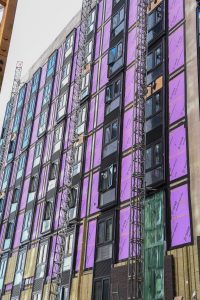
By taking full accountability for the standard design details it provides, Siniat is aiming to bring clarity, reduce downstream risk, and support duty holders through the critical Gateway 2 compliance process.
Steve Warriner, head of specification at Siniat, said: “The pace of regulatory change over the past few years, whilst undoubtedly and entirely necessary, has been at times, breathtaking. And, adapting to this recent phase of evolution has demanded a great deal from us as an industry – the type of rigorous scrutiny that requires a willingness to be a little uncomfortable in the name of becoming better.

“The need for clarity and accountability has never been greater. Today, we’re proud to be the first manufacturer to formally accept design responsibility for the systems we help to create. We understand the weight of this decision and the role we must play in supporting safer, more compliant buildings.”
Warriner adds: “For too long, risk has cascaded unchecked across the supply chain. We believe that taking ownership of the information we issue is the right step forward – not just for our customers, but for the wider industry.”
Siniat’s decision has particular significance for passive fire protection systems, which can make up 5–15% or more of a building’s interior, depending on the specification. These areas have long suffered from grey zones around liability, particularly when combining different systems or adapting designs on-site.