 Builders Merchants Journal – BMJ Publishing to Builders Merchants and the UK merchanting industry for more than 95 years
Scientists from Cambridge University believe they have found a way to produce cement and reduce the carbon footprint of its manufacture.
The most common building material, cement is also the most problematic as it requires so much energy to produce the chemical reactions to manufacture it.
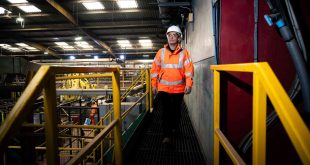
The method, which the researchers say is “an absolute miracle”, uses the electrically-powered arc furnaces used for steel recycling to simultaneously recycle cement.
The new method exploits the fact that you can reactivate used cement by exposing it to high temperatures again. As reported in the journal Nature the Cambridge researchers found that used cement is an effective substitute for lime flux, used in steel recycling to remove impurities, and which normally ends up as slag., a waste product. By replacing lime with used cement, the end product is recycled cement that can be used to make new concrete.
Tests carried out by the Materials Processing Institute, a partner in the project, showed that this recycled cement can be produced at scale in an electric arc furnace. If this in turn was powered by renewable energy, the whole process would be zero-emissions.
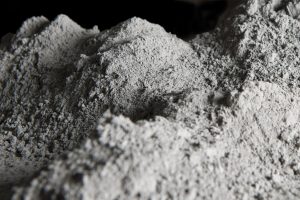
The cement made through this recycling process contains higher levels of iron oxide than conventional cement, but the researchers say this has little effect on performance.
The Cambridge Electric Cement process has been scaling rapidly, and the researchers say they could be producing one billion tonnes per year by 2050, which represents roughly a quarter of current annual cement production.
The lead scientist on the project, Cyrille Dunant, told the BBC it could enable the production of zero-carbon cement.
“We have shown the high temperatures in the furnace reactivate the old cement and because electric arc furnaces use electricity they can be powered by renewable power, so the entire cement making process is decarbonised.,” he said.
He said it also makes steel recycling less polluting because making the chemicals currently used as slag has a high carbon cost too.