 Builders Merchants Journal – BMJ Publishing to Builders Merchants and the UK merchanting industry for more than 95 years
Money talks, but it don’t sing and dance, and it don’t walk,
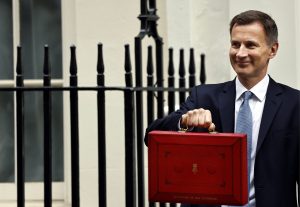
Where do we stand on today’s Autumn Statement, boys and girls? Is it a resounding yes, a hell-no, or a meh?
Bit of all three I suppose.
There’s a general Election hovering just over the horizon, which has to happen before December next year. Any Chancellor who might be hoping not to have to book the removals van for the day after the election is always going to use the Statement to try and show Ordinary Working People – aka Voters – that they are front and centre of any fiscal plans going forward.
So, some good things. If you’re a manufacturer or merchant planning on replacing plant, machinery and vehicles, the extension of fully-expensed element of investment is welcome, and was something that the industry had been hoping for.
Planning reforms have also been welcomed, as has the extra money for apprenticeships, though whether there’ll be any jobs for those fortunate enough to get and apprenticeship when it’s done is anyone’s guess.
Housebuilders might benefit from streamlining of the planning process I suppose, but the houses still need to sell once they are built, and there’s been a significant slowdown in the housing market, which isn’t helping matters at all.
Away from industry, the tinkering with National Insurance rates, the minimum wage and benefit levels will help some people feel that there’s a bit more change in their pockets, as will the commitment to the pension triple-lock, something there had been talk of binning. However, tax thresholds have been frozen since 2018, dragging more people into higher tax bands, which the NI changes only partially mitigate.
There’s little to stimulate growth in the economy, beyond the extra £4.5bn between 2025 and 2030 in manufacturing, and the £1m to aerospace companies – meh – and those working with green technologies – cautious, quiet hooray. However, the industry still hasn’t got the national retrofit strategy that it desperately wants,
At first glance, there’s something for most people to feel ok about, even if there are few hell-yes elements. But, as is usual with politicians, the devil’s in the detail, and most of the money for the tax cuts are, it seems simply being switched from public sector funding. At some point that spending is going to have to go back to the public sector. Probably funded by tax rises, no matter which hue the party in power is.