 Builders Merchants Journal – BMJ Publishing to Builders Merchants and the UK merchanting industry for more than 95 years
Fancy giving money to the Government,
Nobody will see the stuff again.
Well, they’ve no idea what money’s for
Ten to one they’ll start another war
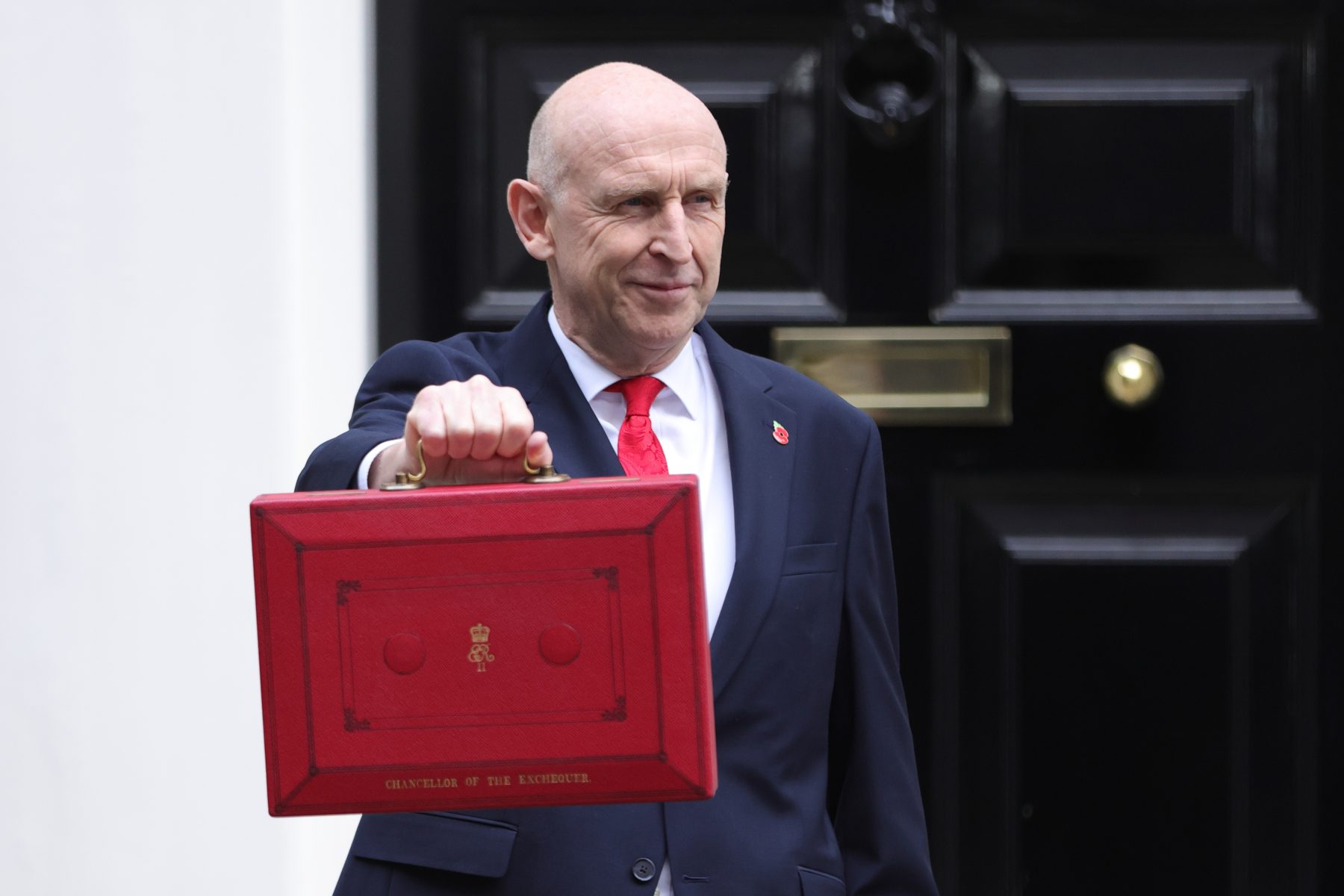
Ah, the Autumn Budget. That annual occasion when we all gather around our screens, clutching a cup of tea, hoping the Chancellor will sprinkle a little economic fairy dust over our industry.
I disappeared off for some Autumn sunshine on Budget Day, so I’ve been playing a bit of catch-up, but here are some initial thoughts.
First-time buyers are getting a helping hand – we knew that. Social housing is getting a funding boost, energy costs are getting a tiny bit of help, and the Government is promising to get Britain building.
Lovely stuff. But…there’s always a but.
The £4.7bn Your First Home scheme, due to start in April 2027, will help first-time buyers onto the property ladder – a tick in the good news box. The move is a way of stimulating demand for new housing, but getting people to buy is nowhere near the whole story. This is about new-build, not second-hand homes. And money alone won’t build houses. Developers need the confidence and commercial incentive to actually build the homes in the first place. Businesses need to know where they’re heading before they start investing, recruiting and ordering stock. That goes for merchants and material manufacturers, as well as everyone else.
I’m not the only one to realise that, while there were many announcements that sounded good, and, on paper probably looked good, a good deal of them were simply going-over existing commitments, sticking them in some new-looking garb, and hoping we wouldn’t notice.
The costs of running a business are continuing to climb, even before you’ve actually, you know, done any work or made any sales, and those companies that had issues with Rachel Reeves’ previous increases to the Minimum Wage and National Living Wage, aren’t going to suddenly change their minds now it’s John From Accounts making the announcements.
Business leaders across this sector are all saying that they want – they need – policies that reduce the cost of doing business, encourage investment in skills and innovation, and make construction projects financially viable.
There was some good news in the Chancellor’s plans to scrap standing charges on household gas bills, plus a £100 energy payment to help consumers with higher bills. Because, standing charge or no standing charge, these only one direction those bills are heading in.
On the other hand, there was also a significant reduction in future funding for the Boiler Upgrade Scheme. That’s one of the mechanisms by which people can cushion themselves against those higher bills, and a reduction in funding is likely to see fewer heat pumps installed. Quite a lot fewer, if some of the industry comments are to be believed.
So, how are we to hit the heat pump installation ambitions, if the financial support to help people make the switch is reduced? In any case, what’s holding back the uptake of heat pumps is more than financial. Householders are not, in general, flocking to their trusty local plumber to ask about heat pumps. The hearts and minds need to be activated as well as the pockets.
The big question for me is, will these measures actually result in more homes being built and improved in 2027?
Announcements are fine. Targets are impressive on paper. Funding pledges make for great newspaper headlines. But merchants need customers, builders need work, manufacturers need orders and other tradespeople need projects. And we all need to make a living out of all this.
There is quite a bit to welcome in this Budget. And quite a bit missing: stability, affordability and a Government that understands the economics of actually getting things built.
How long can we keep on keeping on, muttering Keep Calm and Carry On under our breath?