 Builders Merchants Journal – BMJ Publishing to Builders Merchants and the UK merchanting industry for more than 95 years
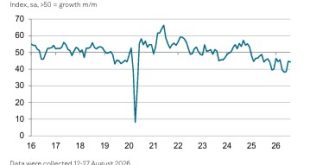
There was a steep decline in both housing and civil engineering activity during February, according to the latest S&P Global UK Construction Purchasing Managers’ Index™. It was the fastest downturn in construction output since May 2020, with cost inflation accelerating to the highest since March 2023.

Total industry activity registered below the neutral 50.0 threshold for the second month in a row. Residential building (index at 39.3) fell for the fifth month in a row and was the weakest-performing area. Aside from the pandemic, the rate of decline was the fastest since early-2009. Survey respondents cited weak demand conditions, headwinds from elevated borrowing costs and a lack of new work to replace completed projects. Civil engineering activity (39.5) also registered a steep decline in February. Commercial construction (49.0) displayed a degree of resilience, with output levels falling only marginally and at a similar pace to that seen in the previous survey period. Some firms also noted the impact of cutbacks to business investment spending plans. Construction companies indicated a reduction in their staffing numbers for the second consecutive month. Although only modest, the pace of job shedding was the sharpest recorded since November 2020, with lower workforce numbers typically linked to the non-replacement of those who had left.
Business activity expectations, meanwhile, remained positive overall in February, despite a steep decline in order books and concerns about a lack of new tender opportunities. Around 39% of survey respondents forecast an upturn in output during the year ahead, compared to 17% that forecast a decline. That said, the resulting index signalled a much lower degree of optimism than seen on average in 2024. Hopes of an improvement in underlying market conditions and lower borrowing costs helped to support confidence, while subdued consumer spending and risk aversion among clients were cited as factors holding back optimism.
Tim Moore, Economics Director at S&P Global Market Intelligence, said: “Sharply declining order books rippled through the UK construction sector in February, which led to accelerated reductions in output volumes, employment and input buying. Weak demand conditions were attributed to entrenched caution among clients, against a backdrop of subdued consumer confidence and lacklustre economic performance. Construction companies remain optimistic overall about their growth prospects for the next 12 months, albeit less so than on average in 2024 amid increasing concerns about the broader UK economic outlook. The were also signs that rising payroll costs and purchasing prices have become a source of anxiety, with the latest increase in overall business expenses the steepest since March 2023.”